Declutter Home Services Your Guide to Reclaiming Your Space
Discover professional declutter home services to organize your life and reclaim your space. Learn how to choose the right service and compare costs.
Let's be honest, sometimes the stuff in our homes just gets to be too much. That's where declutter home services come in. Think of them as a personal trainer for your home—they provide the expertise, structure, and motivation to whip your space into shape, helping you achieve results you just can't seem to get on your own.
What Declutter Home Services Really Do

Ever feel like your brain has too many tabs open? That's what a cluttered home does to your life. It slows everything down, drains your energy, and makes it impossible to find what you actually need. A decluttering service is like hitting the system reboot button, closing out all the unnecessary programs to restore a sense of calm and efficiency.
These services are about so much more than just tidying up. A professional declutterer is a strategic partner who helps you navigate the emotionally draining process of reclaiming your home. This becomes especially important during major life changes, which is when most people realize they need to call in the pros.
When To Call In a Professional Decluttering Service
You'll probably find yourself looking for declutter home services when life throws you a curveball. These are the moments when the sheer volume of your belongings becomes a real roadblock, preventing you from moving forward.
Common scenarios include:
- Preparing for a Move: Sifting through a lifetime of possessions to decide what's worth packing, selling, or letting go of.
- Downsizing for Retirement: Making tough but necessary decisions about what will fit into a new, smaller, and simpler lifestyle.
- Managing an Inherited Estate: Respectfully and efficiently sorting through a loved one's home, a task that's as emotional as it is physical. You can dive deeper into this specific challenge by exploring different estate cleanout services.
- Overcoming Chronic Clutter: Finally tackling those rooms (or the whole house) that have become completely unmanageable over time.
This isn't just about appearances. The desire for an organized home is hitting an all-time high. For 2025, a whopping seven out of ten Americans (70%) now see a clutter-free home as a key part of having a successful year. The same study by Talker Research for The Container Store found that 83% of people directly link a clean, organized space to better mental well-being and productivity.
What To Expect From The Process
Your journey with a decluttering pro usually kicks off with a consultation. They’ll want to understand your goals, see the space, and hear what's been holding you back. From there, they'll work with you to create a personalized game plan, breaking the overwhelming project into small, manageable steps.
The goal is to reveal all your lovely things, not just get rid of them. A professional helps you make conscious decisions about what to keep, ensuring your home reflects your values and supports your lifestyle.
You can expect hands-on help and guidance every step of the way. Many pros start with practical decluttering clothes tips because closets are often a major source of stress. From that first sorting session to the final, beautifully organized result, a professional is there to make the decisions easier, reduce the anxiety, and help you achieve a transformation that actually lasts.
Finding the Right Type of Decluttering Service

Choosing a decluttering service is a lot like picking the right tool for a job. You wouldn't use a sledgehammer to hang a picture frame, right? In the same way, you shouldn't hire a general organizer when what you really need is an estate liquidation expert. Each service is tailored to solve a specific problem.
And it's a field that's growing—fast. The professional organizer market was valued at USD 12.26 billion in 2025 and is projected to hit USD 21.16 billion by 2032. Residential organizing is the biggest piece of that pie, with a 38.1% market share as more homeowners look for ways to cut down on stress and get their time back. You can see the full market breakdown on coherentmarketinsights.com to understand why so many people are turning to pros.
Let’s break down the main categories of declutter home services so you can find your perfect match.
General Home Organization
This is what most people picture when they think of decluttering. These pros are masters of bringing order to everyday chaos. They don't just tidy up; they help you sort through your stuff, create simple systems you can actually stick with, and make your home flow better. It’s all about redesigning your space to fit how you actually live.
- Best for: Families struggling with chronic clutter, tackling that one messy room (like the closet or kitchen), or anyone who just feels overwhelmed and doesn't know where to begin.
Specialized Support Services
Some situations need more than just a good sorting system. Specialized services are for unique challenges like hoarding, chronic disorganization, or ADHD-related organizational issues. These professionals often have backgrounds in psychology or social work, offering compassionate, judgment-free help alongside practical strategies. They focus on the "why" behind the clutter to create lasting change.
- Best for: Scenarios involving hoarding behaviors, severe chronic disorganization, or anyone needing support designed around specific cognitive or emotional needs.
Relocation and Downsizing Services
Moving is one of the most stressful things we do in life, and downsizing just adds another layer of tough decisions. Specialists in this area—often called Senior Move Managers—are experts at managing the logistics and emotions of a big transition. They’ll help you decide what to keep, sell, or donate and can even coordinate the entire move, from packing up the old place to setting up your new one.
A professional organizer’s role isn't just to get rid of things. It's to help reveal all your lovely items and ensure your home reflects what truly matters to you, creating a sense of order and peace.
Estate Liquidation and Cleanouts
When a loved one passes away, sorting through their belongings is an incredibly difficult task. Estate liquidation services are built to handle this entire process with care and professionalism. They sort, appraise, and sell items through estate sales or online auctions, taking the burden off the family. This service is essential for clearing a property respectfully while getting the best value for the estate’s assets. To get a better sense of the possibilities, take a look at our guide on the different ways to handle estate liquidation.
- Best for: Executors or family members who need to clear an inherited property, manage the sale of personal belongings, and get a home ready for the real estate market.
Which Decluttering Service Is Right for You?
Still not sure which direction to go? This quick table should help you pinpoint the best fit for your situation.
| Your Situation | Recommended Service Type | Key Focus Area |
|---|---|---|
| My kitchen and closets are a disaster and I'm overwhelmed. | General Home Organization | Creating sustainable systems for everyday living. |
| I'm helping my parents move into a smaller condo. | Relocation & Downsizing | Managing the entire moving process, from sorting to setup. |
| I'm the executor of an estate and need to clear the house. | Estate Liquidation & Cleanouts | Selling assets and preparing the property for sale. |
| Clutter is causing serious stress due to hoarding or ADHD. | Specialized Support Services | Addressing root causes with compassionate, expert help. |
Finding the right professional means you're not just hiring a pair of hands—you're getting an expert with the right skills and experience to make the process smooth and successful.
How to Choose a Trusted Decluttering Professional
Choosing a professional to come into your home isn't a small decision. You're not just hiring someone to sort through your stuff; you're inviting them into a very personal space to help with a task that can feel both emotional and overwhelming.
Getting this choice right is the difference between a stressful ordeal and a truly liberating experience. Think of it like hiring a guide for a tough hike—you wouldn't pick someone without checking their experience, knowing their route, and making sure they have the right gear. The same logic applies here. You need a trusted partner who gets what you're trying to achieve and has a solid, proven way of getting there.
Verify Credentials and Experience
The very first step in vetting potential declutter home services is to check for professional affiliations and real-world experience. A great place to start is looking for memberships in organizations like the National Association of Productivity & Organizing Professionals (NAPO). This shows a commitment to professional standards and a code of ethics.
After that, dig into their online presence. Read reviews on sites like Google, Yelp, or Angi and look for consistent themes in what people are saying. Do past clients rave about the pro's compassion, efficiency, or knack for creating systems that actually last?
A single bad review isn't always a dealbreaker, but a clear pattern of complaints about communication, surprise fees, or unmet promises is a huge warning sign.
Ask the Right Questions During the Consultation
The initial consultation is basically your interview with them. It’s your chance to get a feel for their philosophy and process to make sure it clicks with what you need. Don't be shy about asking direct, specific questions to gauge their expertise.
Here are a few essential questions to have ready:
- What is your process for handling sentimental items? A good professional will have a patient and empathetic approach, guiding you without ever making you feel pressured.
- How do you manage donations and disposal? Do they have relationships with local charities? Do they make an effort to use eco-friendly disposal methods?
- Can you provide a clear, written estimate? Transparency on cost is non-negotiable. Vague answers about pricing are a major red flag.
- Are you insured and bonded? This is crucial—it protects you and your property if any accidents happen.
A professional’s job is to reveal all your lovely things, not just get rid of them. They help you make conscious decisions about what to keep, ensuring your home reflects your values and supports your lifestyle.
Identifying Green Flags and Red Flags
As you talk with different organizers, you’ll start to notice little signs that tell you whether you’re on the right track. Think of these as green flags—positive signals that you’ve found a great partner. On the flip side, red flags should make you pause and consider looking elsewhere.
This simple comparison can help you decide with confidence.
| Green Flags (Good Signs) | Red Flags (Warning Signs) |
|---|---|
| Provides a clear, personalized plan based on your goals. | Offers a generic, one-size-fits-all solution. |
| Has a portfolio of past projects and glowing testimonials. | Lacks verifiable reviews or a professional online presence. |
| Is patient and asks thoughtful questions about your lifestyle. | Seems rushed, judgmental, or dismissive of your concerns. |
| Offers transparent, upfront pricing with a written agreement. | Gives vague price estimates or pressures you to commit on the spot. |
Ultimately, choosing the right professional comes down to trust and rapport. You need to feel comfortable and supported, not judged or rushed. For more complex projects like settling an estate, it's also key to understand the different roles professionals can play. You can get more clarity on this by reading about the differences between various estate liquidation companies and how they operate. Taking the time to vet properly ensures you find a partner who will help you reclaim your space with care and confidence.
Comparing the Costs of Decluttering Options
Before you jump in, it’s crucial to understand the money side of decluttering. The costs can swing wildly depending on the path you take, from bringing in a pro organizer for one room to liquidating an entire home's worth of possessions. Let's crunch some numbers so you can match your budget to your goals.
When you hire a professional organizer, you're paying for their time, expertise, and a helping hand. This is often the perfect fit if you need guidance to tackle chronic clutter or get your home ready for a move.
But when the goal is to sell a large volume of items—say, during an estate settlement or a major downsize—the financial models change completely.
Pricing Models for Professional Organizers
Professional organizers typically work with a few common pricing structures. Getting familiar with them makes it much easier to compare quotes and find someone who fits your budget.
- Hourly Rates: This is the most common setup. You can expect to pay anywhere from $50 to over $150 per hour, depending on the organizer's experience and where you live. It’s a great option for smaller, well-defined projects where you have a good sense of the time involved.
- Project Packages: Many pros offer flat-fee packages. Think of a "Kitchen Overhaul" package that includes a set number of hours for a fixed price. This gives you cost certainty, which can be a huge relief.
- Day Rates: For bigger jobs, some organizers offer a discounted day rate. This can be much more economical than paying by the hour if you need their help for a full day or more.
Just remember, these costs cover the service of organizing—not necessarily selling your stuff. If your project involves turning valuable belongings into cash, the financial equation gets a lot more interesting.
The High Cost of Traditional Estate Sales
For those big clear-outs, like settling an estate, many people automatically turn to traditional estate sale companies. They handle everything, which sounds great, but that convenience comes with a hefty price tag. These companies usually take a commission on total sales, which often lands somewhere between 30% and 50%.
A traditional estate sale might feel hands-off, but that high commission rate means you could be giving away nearly half of your potential earnings. For a sale generating $20,000, that could be up to $10,000 in fees alone.
That kind of fee structure can seriously eat into the financial return from an estate. You save some time, sure, but you sacrifice a huge chunk of the profit. It’s no wonder so many people are now looking for modern, cost-effective alternatives that put them back in the driver’s seat.
When you're vetting any kind of professional help, there are a few key things to look for.
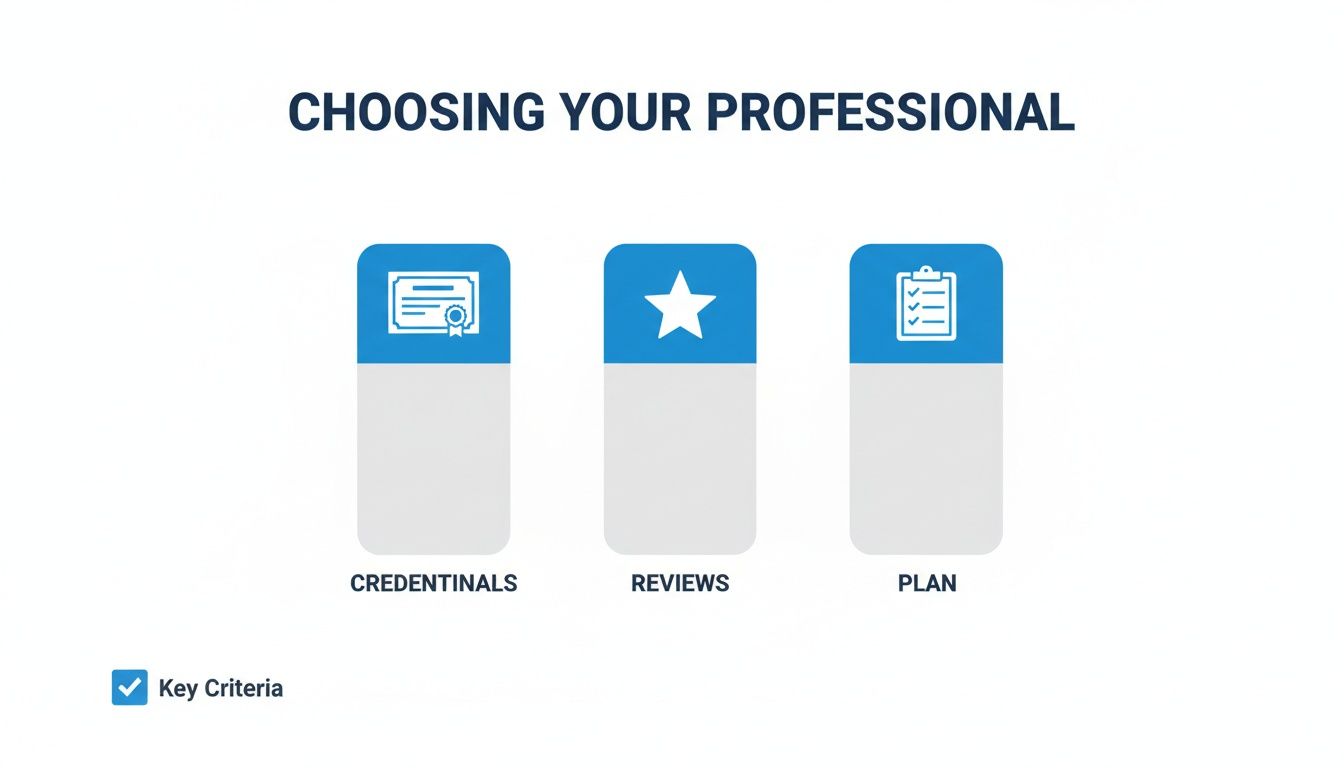
As this guide shows, a clear, transparent plan is just as vital as good reviews. You need a service that respects your financial goals from the start.
A Modern DIY Alternative for Maximum Profit
Today, technology gives us a powerful new option that bridges the gap between hiring expensive full-service companies and trying to sell every last thing on your own. For estate sales and large-scale decluttering, online platforms are a total game-changer.
For homeowners who are downsizing or executors managing an estate, the sting of traditional service fees is real. That’s why a platform like DIYAuctions flips the script. It gives you the power to run a professional-style estate sale yourself and keep 90% of the proceeds, thanks to a simple 10% commission that’s capped.
You just upload photos, pick your dates and prices, and let the platform handle the marketing, payment processing, and fraud protection. This frees you up to focus on organizing the items and managing a single pickup day. It’s a trend you can learn more about over at Accio.com.
This approach gives you all the structure and marketing muscle of a professional sale, but without the crippling commissions. By handling the on-site organization yourself, you keep the vast majority of the profits.
Let's look at a direct comparison.
Cost Comparison Traditional Estate Sale vs DIYAuctions
Here’s a simple breakdown of what a typical $15,000 estate sale could look like with both models. The difference in your take-home profit is pretty staggering.
| Metric | Traditional Estate Sale Company | DIYAuctions Platform |
|---|---|---|
| Gross Sale Proceeds | $15,000 | $15,000 |
| Typical Commission Rate | 35% - 50% | 10% (Capped at $1,000) |
| Total Fees Paid | $5,250 - $7,500 | $1,500 |
| Your Net Profit | $7,500 - $9,750 | $13,500 |
The numbers don't lie. Choosing a DIY platform for your declutter home services needs—especially when liquidation is the goal—can leave thousands of extra dollars in your pocket. It’s a modern solution that puts you in control of your finances and maximizes your return.
How to Prepare Your Home for a Decluttering Project

Think of it like a chef prepping ingredients before cooking a big meal. A little bit of prep work before the real decluttering begins can make all the difference. When you take a few simple steps beforehand, you ensure that every minute with a professional organizer—or every minute of your own dedicated time—is spent making real progress.
This isn't about doing the decluttering yourself. It's about setting a clear direction so the main event runs smoothly from the start. You're essentially creating a roadmap for the project, which helps everyone involved know the destination and the best route to get there.
Define Your Goals and Vision
Before a single box gets moved, pause and ask yourself what you really want to achieve. What’s the end goal for each room? Don't just aim for "clean." Get specific.
Instead of saying, "I want the garage to be clean," try: "I want to park both cars in the garage and have a designated, organized space for my gardening tools."
Create a simple vision for each key area:
- Living Room: A relaxing space for family, finally free of paperwork and random piles.
- Bedroom: A serene retreat for rest, with clear surfaces and a closet I can actually navigate.
- Home Office: A functional, productive zone where I can find what I need without a search party.
Having these positive, tangible goals gives you and your pro a target to shoot for. It transforms the project from just "getting rid of stuff" into actively creating the home you want. And if you're getting ready to move, knowing some expert tips on staging your home for selling is a game-changer, as it all starts with a decluttered foundation.
Do a Preliminary Sort
You can save a surprising amount of time and money by doing a quick, high-level sort before the professionals show up. You’re not making the final, tough decisions yet. You’re just putting things into broad categories to streamline the process later.
Grab some boxes or just designate corners of a room and label them:
- Keep: Items you know you love, use, and want to find a proper home for.
- Sell: Things that have value but no longer fit your life. This is the perfect pile for items you plan to list on an online auction platform.
- Donate: Good-condition items that could have a second life with someone else.
- Unsure: The "maybe" pile. It's perfectly fine to have one! This is exactly where a professional can help you make the final call without the stress.
A professional’s job is to reveal all your lovely things, not just get rid of them. They help you make conscious decisions about what to keep, ensuring your home reflects your values and supports your lifestyle.
This initial pass allows a declutter home services expert to jump right into the more challenging parts, like designing organizational systems, instead of spending time on basic sorting.
Secure and Catalog for Sale
If selling items is a big part of your plan, a little extra prep here will pay off massively. For everything in your "Sell" pile, especially if you're using a DIY platform, get a head start on cataloging. That just means taking clear photos and writing down the important details.
- Take Good Photos: Use natural light and a clean background. Get shots from a few different angles, and don't forget close-ups of brand names, tags, or any flaws.
- Write Honest Descriptions: Note the item's condition, its dimensions, and any interesting history. The more a buyer knows, the more confident they'll feel bidding.
- Gather Important Documents: Track down any original paperwork, manuals, or certificates of authenticity for valuables like antiques, jewelry, or electronics.
When you handle these steps ahead of time, you set yourself up for a much more successful sale and a far less stressful decluttering day. You’ll feel in control and ready to reclaim your space.
Common Questions About Declutter Home Services
Deciding to bring in professional help for a home declutter is a big step. It’s totally normal to have a ton of questions floating around in your head. You're not just letting someone into your house; you're trusting them with your personal space, and that's a big deal.
Let's walk through some of the most common concerns. We'll cover everything from how long a project really takes and the emotional side of letting go, to what actually happens with all the stuff you decide to part with. My goal here is to pull back the curtain on the whole process so you can feel confident making the right choice for you.
How Long Does a Professional Decluttering Project Usually Take?
This is probably the number one question I hear, and the honest-to-goodness answer is: it depends. Every home, every project, every person is unique, so there’s just no one-size-fits-all timeline. But, I can give you some ballpark estimates to help you get a clearer picture.
For a smaller, more contained project—like finally tackling that one chaotic closet or getting the kitchen pantry in order—you're likely looking at a single session of 4 to 8 hours. If you're looking at a bigger space, say a whole garage or a couple of cluttered rooms, the project could easily stretch over a few days or even a full week.
When you're dealing with a whole-home clear-out or an estate liquidation, the timeline naturally gets longer. These bigger jobs often take several weeks of focused work, from the first day of sorting all the way through to the final cleanout.
The real game-changer is having flexibility and control. A full-service company runs on its own schedule. But if you use a DIY online sale platform, you can catalog items whenever you have time and set the sale and pickup dates to fit your life, not the other way around.
The best way to get a solid time estimate is through a consultation. A pro can see your space, hear your goals, and give you a much more realistic projection so there are no surprises down the road.
What if I Feel Embarrassed About My Home's Condition?
Feeling embarrassed or anxious about the state of your home is incredibly common. Seriously, almost everyone feels this way. So many people put off getting help because they’re worried about being judged. Please know this: you are not alone.
Professional organizers are trained to be compassionate, non-judgmental, and completely discreet. Their job is to be a problem-solver and a supportive partner, not to make you feel bad about how things got this way. They've seen it all and understand that clutter is usually just a symptom of a busy life, a tough transition, or a major life event.
Think of them like a doctor or a therapist for your home. They’re there to help you heal the space and bring back a sense of order. Their focus is on the future and all the amazing potential your home has, not on the past.
Here’s how to frame it for a great experience:
- Be Open About Your Goals: The more you share about what you want to achieve, the better they can create a plan to get you there.
- Focus on the Partnership: See your organizer as a teammate. You're both working together to reach the same finish line.
- Remember Their Purpose: They chose this line of work because they genuinely love helping people transform their spaces and, in turn, their lives.
A true professional will walk in and see a project with incredible potential, not a mess.
What Happens to All the Items I Get Rid Of?
Once you’ve made the tough decisions about what to let go of, you've got some great options for what comes next. What you choose usually depends on your main goal: are you looking for maximum convenience, sustainability, or the best financial return? A professional service can handle this whole process for you.
Typically, a full-service company sorts everything into three buckets:
- Donations: Good, usable items are taken to local charities. Most organizers have relationships with specific non-profits and will manage the drop-off for you.
- Disposal: Anything broken, expired, or unusable is taken care of responsibly. This includes recycling whatever can be recycled and trashing the rest.
- Sales: For items that have real monetary value, a service might suggest consignment, auction houses, or running an estate sale.
But it’s really important to understand the money side of that third option. While it's convenient to have a service sell your stuff, it often comes with very high commission fees that can take a huge bite out of your profit. This is where taking back a little control can make a massive difference.
When you use a DIY online auction platform, you're the one in the driver's seat. You set the prices, you decide on the timing, and you keep the vast majority of the profits. After your sale is done, you can then handle donating or disposing of what's left, giving you total control over both the financial outcome and where your belongings go.
Can I Really Sell My Items Myself and Make More Money?
Absolutely. For a lot of people, taking a DIY approach to selling is not only way more profitable, but it’s also incredibly empowering. The idea of selling hundreds of items one by one on different marketplace sites can feel overwhelming, but modern platforms built specifically for online estate sales make the process streamlined and manageable.
These platforms give you the best parts of a professional sale—like marketing to interested local buyers and secure payment processing—without the hefty price tag. Traditional estate sale companies often charge commissions anywhere from 30% to 50%. By using a DIY platform with a low, capped commission, you can keep up to 90% of the final sale price.
That difference is huge. On a $10,000 sale, that could mean an extra $2,000 to $4,000 right back in your pocket. It makes the DIY route a powerful and financially smart alternative, putting you in control and making sure you get the true value from your belongings.
More guides in Estate Organization & Cleanup
July 21, 2026
What Is a Settling in Service? a Guide for Downsizers
Learn what a settling in service does, its benefits, and costs. Our guide helps downsizers and executors decide if hiring one is right for their move.
Read guideJuly 11, 2026
Beneficiary Communication: Executor's Guide to Estate
Ensure a smooth estate with effective beneficiary communication. This guide provides executors with key strategies for managing family expectations and legal
Read guideMay 20, 2026
Clean Out a House: Expert Tips for 2026
Clean out a house for moving, downsizing, or estates. Our guide offers tips on sorting, selling, & disposal for a stress-free process.
Read guideGet the estate sale pricing guide
Enter your email for pricing ranges, planning notes, and a clearer path to launch.