How to Sell Coin Collections: Maximize Your Profit in 2026
Learn how to sell coin collections. Get our 2026 guide on valuation, preparation, top sales channels, and mistakes to avoid for maximum profit.
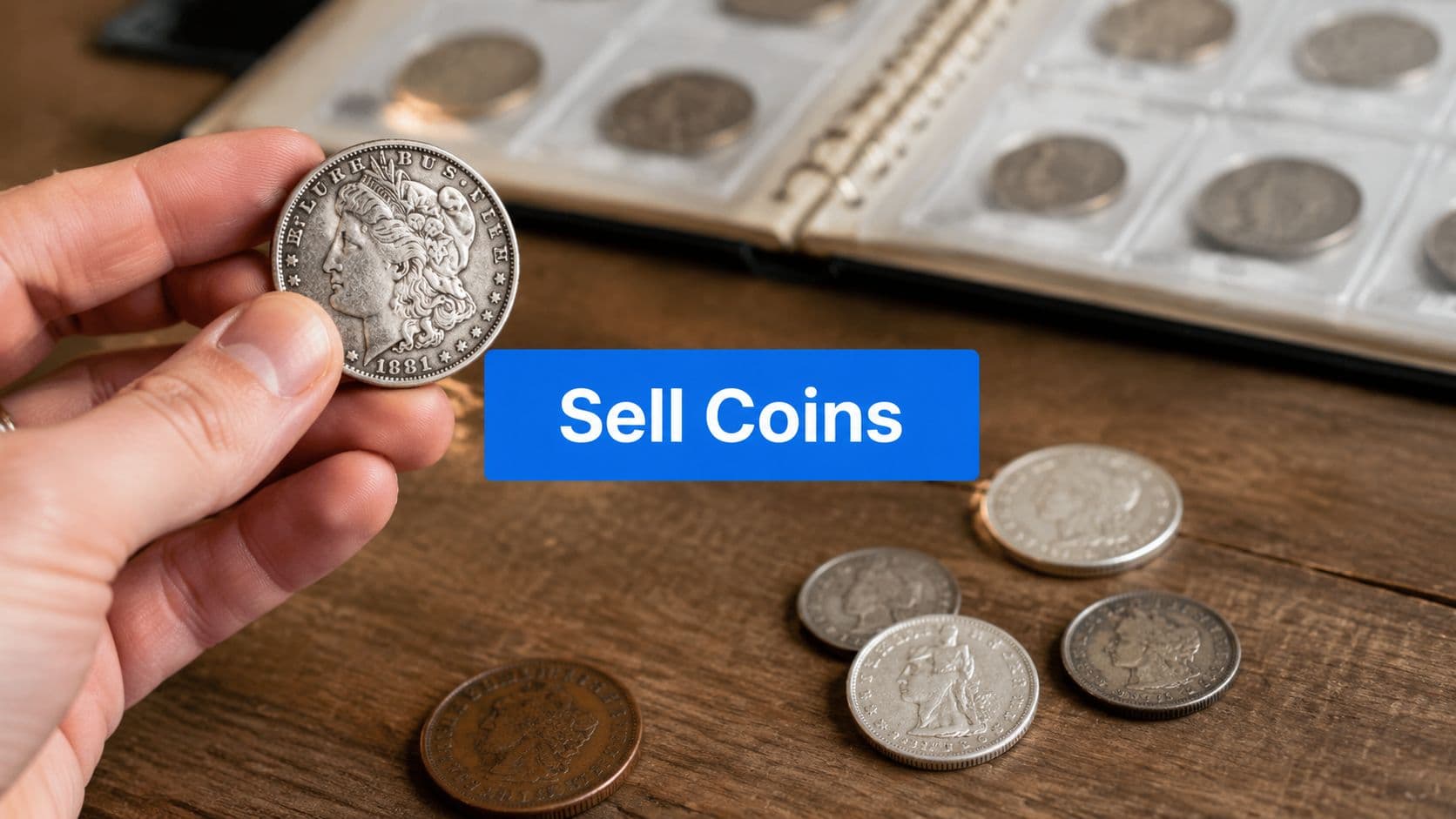
You open a box that's been sitting in a closet for years. Inside are coin albums, paper rolls, old envelopes with handwritten notes, maybe a few plastic cases, and a lot of uncertainty. Some sellers feel excitement first. Most feel pressure. They know there could be real value there, but they also know one wrong move can cost money.
That hesitation is common. Recent data shows that 78% of inherited collectors postpone selling due to overwhelming complexity, according to Lion & Unicorn's guide on selling a coin collection. The problem usually isn't a lack of motivation. It's not knowing how to sort the collection, how to recognize what matters, or how to sell without handing too much control and profit to someone else.
The good news is that a coin collection is not a mystery once you break it into manageable tasks. It's an inventory problem first, a pricing problem second, and a sales-channel decision third. If you handle those in order, the process becomes much less intimidating.
Unlocking the Value in Your Coin Collection
A lot of collections reach the market at the worst possible time for the seller. A family is settling an estate. Someone is downsizing. A house is being cleared. The coins are mixed in with other property, and nobody feels qualified to deal with them. That's exactly when rushed sales happen.
The better approach is slower at the beginning and more efficient later. Before you think about dealers, auctions, or listing platforms, you need to recognize one thing. Coin collections sit inside a serious market, not a niche garage-sale category. The global coin collection market is projected to grow from $9.8 billion in 2024 to $16.2 billion by 2030, according to Strategic Market Research's coin collection market report. That projection tells sellers something useful: there is real buyer demand, and there's room for well-presented collections to attract attention.
Why overwhelm leads to bad decisions
Most underperforming coin sales follow the same pattern:
- Everything gets lumped together. Silver dollars, modern proof sets, circulated change, and certified coins get treated as one lot.
- Original context gets stripped away. Coins are removed from albums, envelopes, and labeled holders that might help identify them.
- The seller asks for one fast number. That helps the buyer, not the owner.
- The collection gets sold before it's understood. Once that happens, you don't get a second chance.
Practical rule: If you haven't identified what you have, you're not ready to accept an offer.
That doesn't mean you need to become a numismatist. It means you need enough control to separate ordinary material from coins that deserve more attention.
The collection may be worth more than it looks
A coin collection rarely looks impressive to a non-collector at first glance. Old cardboard albums can look worn out. Paper rolls can seem generic. A tray of circulated coins can look like pocket change. But value in this category often hides in details like date, mint mark, denomination, type, and whether a coin has been preserved correctly.
That's why the sellers who do best are usually not the ones with the rarest collections. They're the ones who stay organized long enough to present the collection properly.
If you're trying to figure out how to sell coin collections without getting buried in the process, think like an estate organizer first. Your job is to turn a confusing group of items into a clean, documented asset that a buyer can evaluate quickly and confidently.
First Steps Assess and Inventory Your Collection
The first job is simple. Stop handling the collection like loose treasure and start handling it like inventory. Buyers and appraisers can work with an organized collection. They discount chaos because chaos takes time.

Sort by denomination, then by type
Use the same sequence professionals use when they need to get control of an estate collection.
- Group by denomination first. Put all cents together, all nickels together, all dimes together, all quarters together, all half dollars together, and all dollars together.
- Then split each denomination by type. For dollars, that may mean Morgan dollars, Peace dollars, and modern dollars in separate groups. For quarters, it may mean Washington quarters separated from older types.
- Leave coins in original albums or holders whenever possible. Old albums often preserve date order and may help you spot better pieces.
This method matters. Numismatists report that collections sorted by type rather than only denomination can yield up to 20% higher valuation accuracy during wholesale appraisal, according to Atlanta Gold & Coin's estate coin collection guide. Better organization helps buyers identify key date coins, meaning dates and mint combinations that had lower mintages or stronger demand.
What to record in your inventory
You don't need a fancy cataloging program. A spreadsheet works fine. Google Sheets, Excel, or even a typed document can do the job if you stay consistent.
Record these fields:
-
Denomination
Example: dime, quarter, dollar -
Type
Example: Mercury dime, Morgan dollar, Peace dollar -
Date
Read exactly what appears on the coin -
Mint mark
This is the small letter that shows where the coin was struck, if one is present -
Holder or location
Album page, envelope note, slab, flip, tube, or box section -
Visible condition notes
Worn, darkly toned, bright, scratched, spotted, prooflike, in protective holder -
Any label text
Old collector notes can be wrong, but they can also help
Keep the system plain
A simple inventory row might look like this:
| Denomination | Type | Date | Mint Mark | Holder | Notes |
|---|---|---|---|---|---|
| Dollar | Morgan | 1884 | O | Blue album page 3 | Moderate wear, even color |
That's enough to start sorting the collection into saleable groups.
Don't try to self-grade every coin on day one. Most non-experts lose time and confidence there. Start by identifying, grouping, and recording.
Terms worth knowing
A few plain-English definitions save a lot of confusion.
- Mint mark means the letter on the coin that identifies the mint.
- Key date means a coin that's harder to find for that series and usually draws stronger buyer attention.
- Type means the design family of the coin, not just its face value.
- Slabbed coin means a coin authenticated and sealed in a hard plastic holder by a grading service such as PCGS or NGC.
If a coin is already slabbed, record exactly what the holder says. Don't crack it out. Don't rewrite the grade in your own words.
A practical triage method
When I help families sort inherited collections, I separate coins into three buckets right away:
-
Likely better material
Older albums, slabbed coins, gold coins, silver dollars, complete sets, coins with handwritten notes -
Standard collector material
Proof sets, mint sets, partial albums, common silver, organized rolls -
Bulk material
Mixed circulated coins, duplicates, loose foreign coins, unsorted jars
That triage keeps you from spending the same amount of time on everything. Some items deserve individual attention. Others sell better in grouped lots.
The Golden Rule and Preparing Coins for Sale
The most expensive mistake in this business is also the most common. People clean coins because they think shiny means valuable. In numismatics, that assumption can wreck a sale.

Cleaning a coin can destroy up to 90% of its potential numismatic value, according to AARP's reporting on selling valuable old coins. That's not a cosmetic issue. That's a pricing issue. Even light polishing can leave micro-scratches and remove the original surface collectors want to see.
Why original surfaces matter
Collectors pay for authenticity, eye appeal, and preservation. A coin's natural toning and surface texture are part of its history. Once someone rubs, dips, buffs, or polishes the coin, that original surface is gone.
The seller usually notices the result as “brighter.” The buyer notices it as “cleaned.”
A cleaned coin often sells like damaged property. It may still have metal value or collector interest, but it no longer commands the same confidence.
If you remember one sentence from this guide, make it this one. Leave the coin exactly as you found it.
A short visual walkthrough can help reinforce what safe handling looks like:
What to do instead of cleaning
Preparation matters. Cleaning doesn't.
Use these habits instead:
-
Handle by the edges
Skin oils leave marks. Pick coins up carefully and avoid touching the faces. -
Work over a soft surface
A folded towel or pad protects coins if one slips. -
Keep original holders when they're stable
Albums, flips, and labeled envelopes can preserve useful information. -
Use light, not polish
Good photography reveals detail without changing the coin.
How to photograph coins well
A strong photo set does two things. It helps buyers judge the coin, and it cuts down on repetitive questions. You don't need studio gear. You need steady light, a clean background, and consistency.
For practical setup advice, use this guide on how to photograph items to sell online.
Then apply a coin-specific routine:
- Photograph both sides of every individual coin or lot.
- Capture the date and mint mark clearly when they're visible.
- Use indirect light so glare doesn't wash out the surface.
- Keep the camera square to the coin instead of shooting at a sharp angle.
- Show flaws accurately. If there are scratches, spots, rim bumps, or holder damage, include them.
Build trust with transparent images
Coin buyers are cautious. They should be. Listings that hide details tend to attract lower offers, more messages, and more disputes. Clear photos signal that the seller is organized and not trying to conceal anything.
That alone improves the selling experience. Buyers spend less time guessing, and you spend less time defending the listing.
Choosing Your Best Sales Channel
A seller inherits three binders, a cigar box of loose coins, and a deadline to clear the house. The wrong sales channel can cost real money, either through low dealer offers, high consignment fees, or weeks lost trying to list everything one coin at a time. Choosing well matters because the channel shapes how much work you do, how fast the coins move, and how much control you keep.
Start with the collection you have, not the one you wish you had. A small group of better certified coins calls for one approach. A large estate with common albums, mixed silver, and duplicates calls for another. Sellers who sort this out early avoid a lot of wasted effort.
Coin Collection Sales Channel Comparison
| Channel | Fees/Commission | Potential Return | Seller Effort | Speed of Sale |
|---|---|---|---|---|
| Local coin dealer | Varies by buyer and offer structure | Usually lower than direct-to-collector sale, but simple | Low | Fast |
| Major auction house | Commission-based consignment is common | Strong for rare and high-demand material | Low to moderate | Slower |
| Online marketplaces like eBay | Platform fees and selling costs apply | Can be strong if listings are accurate | High | Moderate |
| Run your own online estate-style sale | Lower-fee structure may preserve more proceeds | Good when the seller presents items well | Moderate | Moderate |
For a broader platform comparison, review these best auction sites for collectibles before you commit to one outlet.
Selling to a local coin dealer
A dealer is often the right choice when speed matters most. If the estate needs to be settled, the family is out of town, or the collection has a lot of common material, a dealer can turn a pile of coins into a clear offer fast.
The trade-off is simple. Dealers buy to resell, so their offer has to leave room for their risk, overhead, and profit. That does not make a dealer offer unfair. It means the seller should walk in prepared, with a basic inventory and a sense of which items might deserve a second opinion.
A dealer sale usually makes sense when:
- You want one transaction instead of dozens
- The collection includes many common coins or mixed lots
- You do not want to handle listings, messages, packing, and returns
- You need cash and closure more than the last possible percentage of value
If you go this route, get more than one offer when the collection appears substantial. The spread can be wider than families expect.
Consigning to a major auction house
Auction consignment works best for coins that already stand out on paper or at a glance. Better date U.S. coins, strong certified pieces, and material with clear collector demand often perform well in a specialist sale because the audience understands what it is bidding on.
The upside is exposure to serious buyers. The downside is time, commission, and less control over timing. Some houses also have minimum value thresholds, so a mixed estate may need to be split, with the stronger coins consigned and the routine material sold elsewhere.
I often recommend that split. It prevents good coins from being buried in bulk material and keeps the lower-value portion from absorbing too much effort.
Listing on eBay or similar marketplaces
This channel gives the seller the most control. You choose the lot sizes, set the terms, answer questions directly, and decide whether to sell individually or in grouped lots. For a careful seller willing to do the work, that control can preserve a meaningful amount of the proceeds that would otherwise go to commissions.
It also creates the biggest workload. Large collections can stall here if every coin gets treated like a separate project. The practical way to handle that burden is to group common material intelligently, reserve individual listings for coins with clear collector interest, and keep your process repeatable.
This option fits sellers who:
- Can stay organized across multiple listings
- Are comfortable writing accurate descriptions
- Can pack and ship securely
- Want to keep direct control over pricing and timing
For non-experts selling an inherited collection, this is often the best return-versus-effort balance only after the inventory is finished. Without that groundwork, online selling gets messy fast.
Running your own online estate-style sale
This is often the strongest middle path for families who want to stay in control without turning the project into a full-time job. You can build sensible lots, keep fees lower than a traditional consignment model, and move through the collection in a structured way.
It works well for mixed estates, especially when coins are only one part of the broader sale. It also helps when local pickup is easier than shipping many small orders across the country. Sellers keep control of the schedule and presentation, but avoid handing the entire process to a third party.
For many inherited collections, that balance matters more than chasing the single highest price on every coin. A controlled, well-organized sale often beats a scattered attempt to squeeze maximum value out of every piece while the whole job drags on for months.
Pricing Strategy and Managing the Transaction
Pricing is where sellers usually get nervous. They know underpricing costs money, but overpricing can leave good coins sitting unsold. The solution isn't guesswork. It's comparison.

Start with comparable sales
For most collections, I recommend building a pricing range rather than hunting for one perfect number. Look at sold listings, not asking prices. Check established grading-service resources such as PCGS and NGC price tools, review completed marketplace sales, and look at archives from coin-focused auction houses when the item appears to be stronger.
A practical pricing workflow looks like this:
-
Match the exact coin first
Date, mint mark, denomination, and type need to line up before the comparison means anything. -
Then compare condition realistically If your coin looks weaker than the example, price below it. If it's certified, compare to the same holdered grade when possible.
-
Use a range
One unusually high sale or one bargain-bin result shouldn't set your price alone.
For a broader approach to valuation methods across collectibles, this collectible pricing guide is a good companion resource.
Fixed price or auction format
This depends on the coin and your tolerance for uncertainty.
A fixed-price listing works well when you've researched the coin carefully and you're willing to wait for the right buyer. It gives you control and reduces the chance of a strong item selling too cheaply on a quiet day.
An auction format can be useful when buyer interest is likely and the item is easy for the market to understand. It can also help move grouped lots that are harder to price precisely.
Protect the transaction
The listing is only half the sale. The rest is process discipline.
Use a platform with secure payment handling. Keep all communication inside the selling platform when possible. Answer buyer questions promptly, but stay factual. Don't describe a coin as rare, gem, uncirculated, or investment-grade unless you can support that claim.
Clear terms prevent problems. State whether the sale is final, how shipping will work, what the buyer should expect, and when payment is due.
Keep your descriptions tight and accurate
A solid coin listing usually includes:
-
Exact identification
Denomination, type, date, mint mark -
Holder status
Raw, album, flip, or certified holder -
Visible features
Toning, wear, luster, marks, spots, rim issues -
What's included
Single coin, partial set, full album page, original packaging
Understatement is safer than hype. Experienced buyers know what they're looking at. They're more likely to trust a careful seller than a dramatic one.
Shipping Safely and Final Considerations
Once the sale closes, you still have one more place to lose money. Poor packing turns a good transaction into a dispute fast. Coins are small, dense, and easy to damage if they shift inside a package.
Pack for protection and privacy
Use stable, non-reactive holders whenever possible. Then build outward with cushioning and a plain outer package that doesn't advertise what's inside. If you need a refresher on practical options for boxes, wrap, and filler, it helps to learn about packing materials before you assemble a shipping setup.
Use common sense on every shipment:
-
Secure the coin first
A coin shouldn't slide freely inside its immediate holder. -
Add padding around the holder
Prevent movement inside the parcel. -
Keep the exterior discreet
No labels that suggest coins, bullion, collectibles, or valuables. -
Choose tracking and insurance
If the package matters, document the route and protect the value.
Local pickup can be the cleanest option
For some sellers, especially those handling an estate locally, pickup is better than shipping. It removes packaging risk, carrier delays, and a lot of back-and-forth over delivery details. That matters when you're selling multiple lots and trying to keep the process manageable.
Local transfer also gives buyers a clearer expectation and gives sellers a definite closing point. When the handoff is done properly, the transaction ends cleanly.
Keep records and ask about taxes
Save your inventory, listing details, buyer communications, payment confirmations, and shipping receipts. If questions come up later, your paperwork is what protects you.
Also remember that profits from selling collectibles may have tax consequences. For a substantial sale, or for estate-related distributions, it's smart to ask a qualified tax professional how the transaction should be handled. That advice matters more than any quick online guess.
Selling coins can feel heavy when the collection carries family history along with financial value. But the process gets easier once you stop treating it like one giant decision. Sort the coins. Document them. Present them accurately. Choose the sales path that fits your timeline and effort level. That's how to sell coin collections without handing away control.
If you want a lower-commission way to run a professional sale yourself, DIYAuctions gives sellers a structured platform for cataloging items, setting prices, managing secure payments, and coordinating a local pickup event while keeping more of the proceeds.
More guides in Selling Antiques & Collectibles
July 31, 2026
Ceramic Christmas Tree Atlantic Mold Seller's Guide
Identify, value, and sell a Ceramic Christmas Tree Atlantic Mold piece with confidence. Covers markings, rarity, condition, pricing, and listing tips.
Read guideJuly 30, 2026
Nurre Mirror Value: How to Identify and Sell for Profit
Learn to assess nurre mirror value with our step-by-step guide. Identify authentic pieces, estimate price, and sell profitably on DIYAuctions.
Read guideJuly 29, 2026
Distinction Deluxe Stainless Steel by Oneida HH: A Complete
Learn to identify, assess, and price your distinction deluxe stainless steel by oneida hh set for maximum profit.
Read guideGet the estate sale pricing guide
Enter your email for pricing ranges, planning notes, and a clearer path to launch.