Bunker Hill Safe: A Seller's Guide for DIYAuctions
Selling a Bunker Hill safe in an estate sale? Our guide covers valuing, opening, listing on DIYAuctions, and coordinating safe pickup for maximum profit.
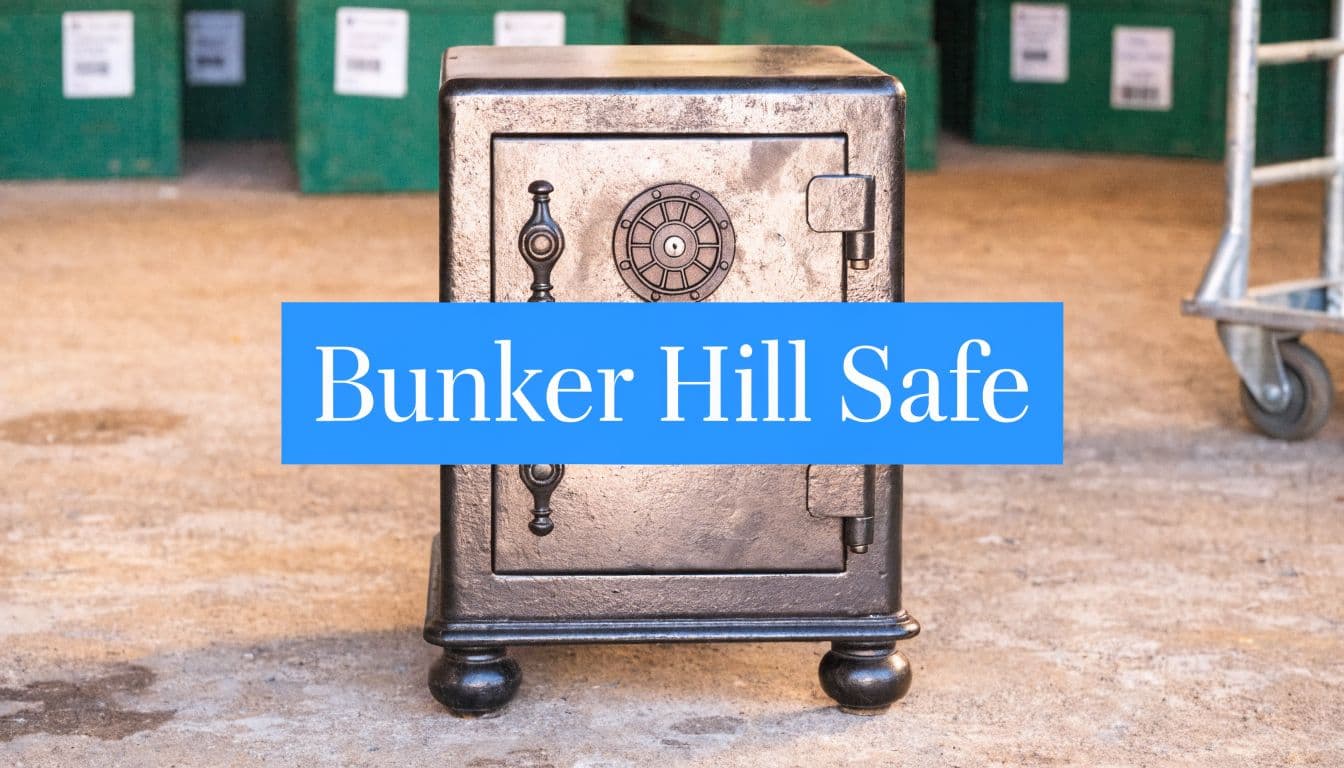
You’re clearing a house, making keep-donate-trash piles, and then you hit the item that stops the room cold. It’s a safe. Maybe it’s tucked in a closet. Maybe it’s bolted in a basement corner. Maybe nobody has the code, the key, or any idea whether it’s worth the hassle.
A bunker hill safe puts first-time sellers in a strange spot. It looks valuable. It’s obviously built to stay put. And it can become either a profitable estate item or a pickup-day disaster depending on how you handle the next few decisions.
My advice is simple. Don’t treat the safe like junk, and don’t treat it like buried treasure either. Treat it like a specialty asset. The seller who documents it properly, sets clean expectations, and controls pickup terms usually gets through the sale with fewer problems than the seller who throws up a vague listing and hopes the buyer “figures it out.”
You Found a Bunker Hill Safe Now What
The most common mistake happens in the first ten minutes. A seller sees a safe, can’t open it, can’t move it, and assumes it’s more trouble than it’s worth. That’s backwards. A safe attracts a specific kind of buyer. Security-minded homeowners, resellers, collectors, and shop owners all pay attention to safes. They just won’t tolerate missing details.

The Bunker Hill name carries some American industrial weight. The name comes from the Bunker Hill Mine and Smelting Complex, established with a claim filed in 1885, and at its peak that operation produced one-third of the nation’s lead and half of its silver, becoming a major part of U.S. industrial history and employing thousands, as summarized in this background on the Bunker Hill Mine and Smelting Complex. That doesn’t mean every Bunker Hill safe is a collectible. It does mean the name doesn’t feel random to buyers, and that helps if you present the item well.
Decide whether it’s an asset or a removal problem
Start with one blunt question. Can this safe leave the property without damaging the house or endangering people?
If the answer is yes, you likely have a saleable item.
If the answer is “maybe,” you still might have a saleable item, but the listing has to be crystal clear about access, stairs, bolting, and pickup conditions.
If the answer is no, stop thinking about auction copy and start thinking about disassembly, floor protection, and liability.
Here’s the practical framing I give estate sellers:
- An open, working safe is easier to market because buyers can see the interior and confirm function.
- A locked safe with no combination can still sell, but only to the right buyer and only if the listing is honest.
- A bolted or embedded safe can sell well if access is straightforward and the buyer understands removal is their job.
- A damaged safe may still have value if the body, hinges, or door are usable.
Practical rule: Don’t move the safe in your mind before you move it on paper. Document first. Sell second. Lift last.
Your job is control, not guesswork
A first-time seller gets in trouble when they improvise. They tell the buyer, “It’s heavy, but not too bad,” or “I think it works,” or “We should be able to get it out somehow.” Those phrases create fights.
A bunker hill safe sale goes smoothly when you control these points from the start:
- Identity. Exact model if you can find it.
- Condition. Open or locked, working or untested.
- Location. Ground floor, basement, garage, upstairs.
- Removal terms. Buyer removes. Buyer brings help. Buyer protects surfaces.
- Payment and timing. No vague handshakes.
That’s why an organized sale format matters. You need a clean listing, clear bidder expectations, and secure payment handling before anyone tries to wheel a safe through a doorway.
First Steps Identification and Initial Assessment
Before you think about price, figure out what you have. Most sellers rush this and then spend the rest of the sale answering questions they should’ve handled on day one.

What to look for on the safe itself
Check the outside first. Don’t scrub, repaint, or start unscrewing parts before you document what’s there.
Look in these places:
- Door edge and interior panel for a model plate, serial label, or brand sticker
- Back panel or underside for a product label
- Inside the battery compartment if it’s a digital unit
- Paper manuals or old keys nearby in desk drawers, file cabinets, or kitchen junk drawers
Take clear close-up photos of every label before you clean anything. Small stickers tear, fade, and disappear fast.
If your safe resembles a compact electronic Bunker Hill unit, note whether it matches common details like keypad entry, override key access, and mounting holes. If it’s a larger floor model, record whether it has casters, whether those casters are attached, and whether the safe is currently fixed in place.
Record the details buyers always ask for
Use a notepad or your phone and build a simple field sheet. You need enough information to answer buyer questions once, not fifteen times.
Record:
- Brand name
- Model number or SKU, if visible
- Exterior dimensions
- Interior dimensions, if open
- Lock type, digital keypad or mechanical dial
- Keys present or missing
- Combination known, unknown, or resettable
- Bolted down or free-standing
- Visible wear, including rust, dents, paint loss, hinge issues, or keypad wear
If you need a reference point for what a floor safe listing should include, this guide on an antique floor safe is worth reviewing because it trains you to think like a buyer instead of like someone just trying to clear a room.
Open versus locked changes everything
This is the first major fork in the road.
If the safe is open, inspect the door swing, locking bolts, interior shelves, battery area, and key override. Test nothing aggressively. You’re verifying function, not stress-testing the mechanism.
If the safe is locked, don’t guess at codes and don’t start forcing parts. Repeated bad attempts can create new problems, especially with digital keypads and override cylinders.
Use this quick assessment table:
| Situation | Best immediate move | Listing impact |
|---|---|---|
| Open and functioning | Photograph, measure, test basic operation | Strongest buyer confidence |
| Open but not functioning | Document issue clearly | Still saleable if described honestly |
| Locked with key or code believed available | Verify carefully before listing | Good upside if opened |
| Locked with nothing available | Pause and decide on locksmith | Smaller buyer pool |
If you can’t verify the lock, say “untested” or “locked, combination unavailable.” Those words protect you better than optimistic guesses.
Assess the room, not just the safe
Sellers fixate on the object and ignore the route out of the house. Buyers don’t.
Check these access factors now:
- Doorway width
- Stairs or no stairs
- Floor type, especially hardwood, tile, or old basement concrete
- Tight turns
- Exterior path to driveway
- Parking distance from the house
A bunker hill safe can be perfectly sellable and still be a nightmare if the pickup path is narrow, sloped, or crowded. Write down those obstacles while you’re standing there. You won’t remember them accurately later.
Take photos in a deliberate order
Don’t post random phone shots. Take them in sequence.
- Full front view
- Full side view
- Interior, if open
- Lock close-up
- Model label
- Mounting points or bolts
- Damage or wear
- The route out, if access is tricky
That last photo matters more than sellers think. A buyer who sees the basement steps before bidding is far less likely to argue at pickup.
Unlocking Value with Locksmiths Legals and Valuation
A locked safe creates the biggest decision in the sale. Spend money to open it, or sell it as-is? There isn’t one universal answer. There is a right answer for your situation.
When calling a locksmith makes sense
Hire a locksmith if opening the safe will materially improve buyer confidence or reveal whether the contents matter. That usually applies when the safe appears clean, modern, and worth marketing as functional rather than speculative.
Call a locksmith when:
- the safe looks like a recent consumer model, not scrap
- the family believes a code or key may still exist but can’t find it
- the interior condition will affect saleability
- you need to verify basic operation before handing it off
Don’t call a locksmith out of curiosity alone. Curiosity is expensive. A seller trying to maximize estate proceeds should treat locksmith service as a business decision, not a treasure hunt.
When selling as-is is the better move
Sometimes the right move is to leave the safe locked and say so plainly. That’s especially true if the safe is lower-end, visibly damaged, difficult to remove, or likely to attract buyers who are comfortable working on locks themselves.
Sell as-is if any of these apply:
| Condition | Better choice |
|---|---|
| Heavy removal challenge and uncertain value | Sell locked as-is |
| Exterior wear is significant | Sell as-is with photos |
| No family authority to access contents yet | Pause or sell only after legal review |
| Tight estate timeline | Avoid extra service steps |
A locked safe can still sell. The buyer pool is narrower, but it exists. Restoration buyers, locksmith hobbyists, and resale operators often look for exactly that kind of item.
A safe with unknown access isn’t worthless. It’s just a different product. Market it that way.
The legal side isn’t optional
If you’re the executor, trustee, or homeowner with lawful authority, you still need to act carefully. The issue isn’t only ownership of the safe. It’s ownership of whatever might be inside it.
If you open a safe and find contents, slow down. Don’t assume cash, jewelry, documents, firearms paperwork, or family records are yours to dispose of casually. In an estate context, contents may need to be inventoried, reported, secured, or distributed under the estate process. In a trust administration, the same caution applies.
Use common-sense rules:
- Document contents immediately with photos and written notes
- Separate personal papers from sale items
- Don’t list contents casually with the safe unless you clearly have authority
- Ask the estate attorney before selling anything sensitive or high-value
That’s not legal theater. It’s basic protection. A seller who handles found contents sloppily can turn a simple liquidation into a dispute between heirs.
If you open it, prove it works
Once access is restored, do a plain, non-dramatic function check. Open. Close. Lock. Disengage. Confirm the key works if there is one. Confirm the keypad responds if it’s electronic. Confirm the hinges and bolts move normally.
Then write your notes like a professional:
- tested and opens normally
- digital keypad responds
- override keys included
- interior clean
- surface wear shown in photos
That language sells better than hype because buyers trust it.
For pricing discipline, use a valuation method instead of gut feeling. Compare the specific model, condition, lock status, age, appearance, and pickup burden. If you need a framework, this article on how to determine fair market value gives a practical way to think about comparable sales instead of random asking prices.
Value isn’t just about the safe
A bunker hill safe gets priced on more than steel and lock type. These factors change real buyer willingness:
- whether the safe is open and demonstrably functional
- whether a buyer gets keys, code, or both
- whether the buyer has easy ground-floor removal
- whether the safe presents cleanly in photos
- whether the seller sounds competent and transparent
That last point matters. Buyers will pay more readily when they believe the seller knows what they’re selling and won’t create pickup chaos.
My valuation advice
Be conservative on mystery. Be stronger on proof.
If the safe is locked, missing keys, and awkward to remove, price it like a project. If it’s clean, open, tested, and ready to hand off with access credentials, price it like a usable asset. Sellers lose money when they confuse those two categories.
Preparing Your Bunker Hill Safe for Sale
A safe sale goes sideways at pickup, not in the title field. The trouble starts when the seller never confirmed the lock, never gathered the keys, and never decided who is unbolting or carrying the unit out. Fix that before the listing goes live.

Clean it enough to show condition
Your job is to present the safe accurately. Clean metal, clear photos, and an empty interior do more for value than a rushed cosmetic cover-up.
Use a simple prep standard:
- vacuum dust from seams and interior corners
- wipe exterior metal with a mild cleaner
- clean the keypad or dial gently
- remove loose debris from shelves or floor of the safe
- leave normal wear visible
Fresh paint right before sale creates suspicion. Heavy oil on every surface does the same. Buyers want proof of care, not a disguise.
Good photos depend on prep. Use these professional product photo tips for estate sale listings so the condition reads clearly without overselling it.
Test the lock before you invite bidders
A heavy safe with uncertain access is a liability. Confirm exactly how it opens, how it locks, and what you will hand the buyer at pickup.
If the safe uses a digital keypad, install fresh batteries and test the full cycle while the door is open first. Check keypad response. Confirm the code works. Try the override key if you have one. If you reset the code for the sale, write down a temporary code for demonstration and remove it after handoff.
Keep your notes tight and factual:
- tested and opens normally
- keypad responds
- override keys included
- interior clean
- surface wear shown in photos
That language works because it reduces doubt.
Make a decision on removal before the auction starts
It's a common scenario for estate sellers to lose control. They post the safe, get a winning bidder, and only then start asking who will remove bolts, bring help, or protect the hardwood floor. Decide the pickup terms now.
State one of these clearly in your sale file and your listing notes:
| Removal setup | Seller instruction |
|---|---|
| Freestanding and accessible | Buyer brings lifting help and suitable vehicle |
| On casters | Buyer can roll it out, but still needs help loading |
| Bolted down | Seller removes it before pickup, or buyer removes it with tools |
| Upstairs, basement, or tight access | Buyer handles removal risk and labor, subject to your pickup rules |
Pick one plan and stick to it. A vague handoff invites arguments, property damage, and no-shows.
Gather every item tied to access and ownership
A safe is not complete without the pieces that prove use and control. Put them together now, photograph them, and keep them in one labeled envelope or box.
Gather these items if available:
- override keys
- owner’s manual
- original mounting hardware
- extra shelves or trays
- written temporary code for demonstration
- note confirming the safe is empty
This also helps with legal clarity. You are selling a container, not any prior contents, old documents, or mystery items left behind. Empty it fully, check every compartment, and photograph the interior before pickup day.
Final pre-listing check
Run one last inspection like a professional liquidator, not a casual seller. Open and close the door several times. Engage and disengage the lock. Confirm batteries are seated correctly. Confirm keys are present. Remove personal items. Wipe interior fingerprints. Photograph the empty interior and the accessories together.
Then stop adjusting it. Consistency matters. The buyer should see the same condition in person that they saw on DIYAuctions, with no surprises and no confusion about access, removal, or what comes with the safe.
Creating a Compelling Listing on DIYAuctions
A bunker hill safe listing has one job. It must tell serious buyers exactly what they are bidding on, what access they will get, and what problem they are agreeing to solve on pickup day.

If your listing is vague, you do not get "more interest." You get bad bidders, weak follow-through, and pickup drama. DIYAuctions gives you control, but only if you use the listing to screen people before they bid.
Write the title for search and for risk screening
Your title should read like a buyer’s checklist, not an estate sale slogan. Lead with the facts that affect value and removal.
Include the details buyers scan for first:
- Bunker Hill brand
- model or size, if known
- digital keypad, key lock, or both
- open, locked, tested, or untested
- floor safe, wall safe, compact safe, or portable unit
Good titles are plain and useful:
- Bunker Hill digital floor safe, open and tested
- Bunker Hill electronic safe with keypad and override keys
- Bunker Hill safe, locked, no code, buyer removes
That title does more than help search. It tells locksmiths, resellers, and bargain hunters whether this is a functioning safe, a locked project, or a heavy removal job with value attached.
Put the decision-making details at the top of the description
The first lines of your description should answer the questions that cause disputes later. Buyers want to know if they can access the safe, whether they are taking on locksmith work, and what they are walking into at pickup.
State these points in the first paragraph:
- open or locked
- tested or untested
- dimensions
- approximate weight if known
- current location in the property
- whether buyer needs tools or extra labor
- what is included, such as keys, code, manual, shelves, or hardware
Then make the legal and practical limits clear. Say that the sale is for the safe only, that contents are removed, and that the buyer is responsible for confirming fit, transport, and removal method. If the buyer may need to hire help, say so plainly. A short note about transporting heavy items safely also helps set the right tone for a serious pickup.
Use wording like this:
Bunker Hill floor safe from an estate. Safe is open and power tested. Interior is empty. Override keys included. Located on first floor near garage entry. Buyer is responsible for removal, loading, and transport. Seller will not disassemble, unbolt, or lift.
That reads like a professional sale, not a guess.
Show proof, not sales language
A safe gets stronger bids when buyers can verify condition from the listing itself. Claims such as "great condition" or "works fine" are weak unless your photos back them up.
Use a deliberate photo order:
| Photo order | What it should show |
|---|---|
| 1 | Full front view |
| 2 | Door open and interior |
| 3 | Keypad, dial, or key cylinder close-up |
| 4 | Model label or brand plate |
| 5 | Shelves, floor, bolts, or anchor points |
| 6 | Scratches, dents, rust, or chipped paint |
| 7 | Base, feet, casters, or mounting area |
| 8 | Wider shot showing the safe in its room |
That last image matters. It gives bidders enough context to judge whether pickup is a simple dolly job or a stair-and-doorway problem. If you want cleaner images that answer questions before they start, follow this guide on how to take professional product photos.
Price for certainty, not optimism
Safe buyers discount uncertainty fast. A bunker hill safe that is open, tested, documented, and easy to access deserves a stronger opening position. A locked or untested unit should start lower because the buyer may be taking on locksmith cost, battery issues, failed electronics, or simple removal risk.
Price it according to what you can prove:
- higher confidence, higher starting position
- more unknowns, lower opening number
- difficult access, expect a smaller buyer pool
- included keys and verified function support stronger bidding
DIYAuctions works best when the listing removes friction. Clear facts bring in better bidders. Better bidders pay, show up prepared, and get the safe out without turning your estate sale into a liability problem.
Managing the Sale Pickup Logistics and FAQs
Pickup day is where sellers either look professional or lose control. A bunker hill safe sale doesn’t end when the bidding ends. It ends when the safe is out of the house, the property is intact, and nobody is arguing in the driveway.
Set pickup terms before the buyer arrives
Your message to the winning buyer should be direct. Don’t ask what they want to do. Tell them what the pickup requires.
Include these points in writing:
- the safe’s location in the property
- whether it’s bolted down or free-standing
- what kind of vehicle they should bring
- whether they need a dolly, straps, blankets, plywood, or extra labor
- whether they must protect floors and walls during removal
- your pickup window and who will be present
That message screens out disorganized buyers fast. Good. You want serious buyers, not optimistic ones.
If the route out is tricky, send a few extra photos before pickup. Doorway, steps, landing, exterior path. It saves time and lowers tension.
Don’t help more than you should
At this stage, first-time sellers overextend. They feel bad, so they start lifting, guiding, unbolting, or improvising. That’s exactly how people get hurt and houses get damaged.
If you’re not a mover, don’t become one because a buyer showed up underprepared.
Reasonable seller conduct looks like this:
- open gates or doors
- point out the route
- confirm what’s included
- observe removal
- document any issue immediately
It does not mean you become part of the moving crew.
For general moving prep, this guide on transporting heavy items safely is useful because the same principles apply to awkward, weighty household items. The object may be different, but the risks are similar.
The safest pickup is the one where the buyer arrives with enough people, the right equipment, and a plan they already understand.
Use a clean liability stance
You don’t need to sound hostile. You do need to sound clear.
Tell the buyer that they are responsible for:
| Responsibility | Why it matters |
|---|---|
| Labor | Prevents last-minute requests for your help |
| Tools and equipment | Avoids “we thought you had a dolly” |
| Property protection | Reduces floor and wall damage |
| Vehicle suitability | Prevents loading failures |
| Safe removal method | Keeps responsibility with the party doing the move |
If the safe is anchored, say whether you’ve approved buyer removal on-site. If you haven’t, state that the safe will be sold only after you or your contractor detach it.
Frequently asked questions sellers actually face
What if the safe is bolted to the floor
Say so in the listing and again in the buyer message. Then choose one of two paths. Either remove it before pickup, or require the buyer to bring the proper tools and handle it. Don’t leave the issue unresolved until arrival.
What if the buyer arrives alone
Don’t let urgency make the decision for you. If the safe plainly requires more hands or equipment, reschedule. A bad pickup is worse than a delayed pickup.
What if the buyer wants to test the lock again on-site
That’s reasonable if the listing said it was working. Let them verify basic function before removal. Keep the demonstration short and controlled.
What if the buyer asks for contents to be included
Refuse unless the listing specifically included contents and you had authority to sell them. A safe sale should be the sale of the safe, not a vague gamble about what may have been left inside.
What if no one meets the starting bid
Adjust one of three things. Improve the photos, tighten the description, or reposition the price based on the uncertainty and pickup burden. Safes don’t usually fail because nobody wants a safe. They fail because the listing leaves too much work in the buyer’s imagination.
What if pickup access changes because of neighborhood conditions
This matters more in dense urban areas than sellers admit. For example, publicly available discussion of Bunker Hill in downtown Los Angeles is broad and doesn’t offer the block-level safety and logistics detail sellers really need for pickups, as noted in this discussion of safety gaps around Bunker Hill in Downtown LA. If you’re selling in a downtown area, verify current access, loading conditions, and timing yourself rather than relying on neighborhood reputation.
What if nearby redevelopment affects parking or loading
Treat construction as a logistics issue, not a footnote. Public reporting has described Bunker Hill in Los Angeles as being in a period of major expansion and revitalization, but not with the street-level pickup guidance estate sellers need, which is why this overview of Bunker Hill development activity is useful mainly as context, not as a pickup plan. If cranes, closures, or temporary loading restrictions are possible, build your pickup window around confirmed access.
The smart seller’s final checklist
Before the buyer shows up, confirm these items:
- Payment is complete
- Pickup time is confirmed
- Safe access is clear
- Personal contents are removed
- Keys or code are ready
- Route is unobstructed
- You’ve decided how much assistance you will and won’t provide
That last line matters. Decide it before the doorbell rings.
A bunker hill safe can be one of the better specialty items in an estate sale if you handle it with discipline. Identify it carefully, decide early whether locksmith work is worth it, prep it like a serious asset, and write a listing that tells the truth about condition and removal. That’s how you attract capable buyers and avoid pickup-day chaos.
If you want the control of running the sale yourself without giving up a big chunk of the proceeds, DIYAuctions gives estate sellers a practical way to list specialty items, manage qualified buyers, and keep the process organized from cataloging through pickup.
More guides in Estate Sale Basics
July 28, 2026
Revenue Reporting for Estate Sales and Auctions
Learn revenue reporting essentials for estate sales and auctions. Discover key metrics, templates, and best practices to simplify tracking and compliance.
Read guideJuly 26, 2026
Stamp Collection Valuation: A Practical Step-by-Step Guide
Stamp collection valuation made simple. Learn how to identify, grade, price, and sell your stamps with confidence for estate sales or consignment.
Read guideJuly 23, 2026
Estate Sales Brick NJ: Your 2026 Guide to Success
Planning your estate sales brick nj? Our guide covers permits, pricing, marketing, & running a safe sale with DIYAuctions.
Read guideGet the estate sale pricing guide
Enter your email for pricing ranges, planning notes, and a clearer path to launch.