How to Sell Luxury Items for Top Dollar
Learn how to sell luxury items for top dollar. Our 2026 guide covers authentication, pricing, photos, & choosing the right channels: consignment, online
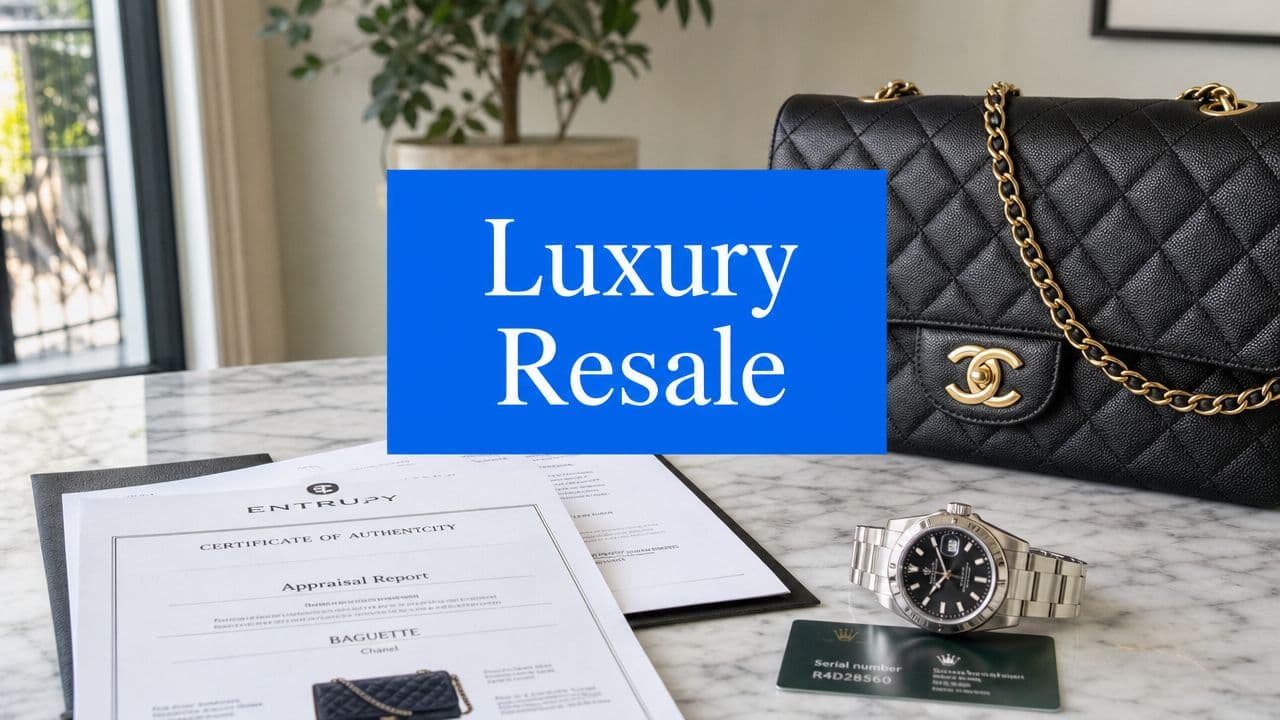
You open a drawer, pull a dust bag from the back, and realize it isn't costume jewelry or an old handbag after all. It's a Cartier box. Or a Chanel flap with worn corners. Or a Rolex from a relative's estate, still ticking but missing its papers. In that moment, the wrong first question is often asked: “How much is this worth?”
The better question is, “How do I sell this without leaving money on the table?”
That matters because luxury resale isn't a niche side market anymore. The global luxury goods market is projected to reach USD 418.89 billion in 2028, and online sales are projected to account for 18.2% of total distribution by 2027, according to Market.us luxury goods statistics. Buyers are comfortable discovering and purchasing expensive items online, which changes the game for private sellers, estate executors, and downsizers.
Most advice on how to sell luxury items assumes you have the perfect scenario. Original box. Receipt. Dust bag. No scratches. No missing links. Real life rarely looks like that. Estate sales often include inherited, vintage, or imperfect pieces with gaps in documentation, mixed condition, and a seller who needs a practical path forward.
That's where good process beats wishful thinking. If you authenticate carefully, present truthfully, choose the right selling channel, and close the transaction securely, even an imperfect item can attract serious buyers.
Unlocking the Value in Your Luxury Possessions
Luxury resale often starts with emotion. A family is clearing a home. Someone is downsizing after decades in the same house. A closet cleanout turns up pieces that were bought, gifted, inherited, then forgotten. Some sellers feel urgency. Others feel hesitation because they don't want to undersell something rare.

The opportunity is real, but value doesn't reveal itself automatically. A vintage Hermès scarf with minor wear, a Tiffany bracelet without its pouch, or a signed watch that hasn't been serviced in years may still command attention. The difference between a weak sale and a strong one usually comes down to three things: proof, presentation, and placement.
Why online resale changed the seller's options
Online selling has widened the buyer pool far beyond local consignment traffic. A neighborhood boutique may only see a handful of buyers for a niche estate piece. An online auction or marketplace can place that same item in front of collectors, stylists, and brand-specific shoppers who know exactly what they're looking for.
That doesn't mean every online listing performs well. Luxury buyers are selective, and they're quick to move on when a listing feels vague or sloppy. But if you prepare properly, digital channels can give private sellers access that used to belong only to dealers and established consignors.
If you're still at the “what do I even have?” stage, start with a valuation baseline before you think about pricing. A practical first step is learning how to determine fair market value so you can separate family lore from actual resale potential.
What usually works and what doesn't
Some habits consistently help sellers.
- Documented items perform better: Buyers pay more confidently when they can see identifiers, condition details, and any history you can provide.
- Honest listings attract better inquiries: Transparency about wear, repairs, or missing accessories saves time and reduces disputes.
- Channel choice matters: A rare watch, a designer handbag, and a damaged inherited brooch often belong in different selling environments.
Other habits reliably hurt results.
Practical rule: Don't treat a luxury listing like a garage sale listing. “Designer purse, good condition, make offer” tells a serious buyer almost nothing.
- Guessing the brand or model: If you're unsure, say so and verify before listing.
- Overcleaning or DIY repair: Aggressive polishing, leather treatments, and amateur fixes can reduce value.
- Using sentiment as pricing logic: The item may mean a lot to your family. The buyer will still evaluate condition, authenticity, rarity, and market demand.
For inherited or imperfect items, the path is still there. It just requires discipline. Missing packaging, no receipt, and visible wear don't end the sale. They change how you prepare the sale.
Preparing Your Items for Maximum Value
Preparation starts before the first photo and long before you pick a price. In luxury resale, preparation means building a file around the item so a buyer can understand what it is, what condition it's in, and why they should trust the listing.

Start with authentication and evidence
Look for every identifier you can find. Depending on the category, that may include serial numbers, date codes, hallmarks, maker's marks, engravings, reference numbers, or service paperwork. Gather original receipts, boxes, dust bags, certificates, warranty cards, spare links, extra straps, and repair invoices.
That effort pays. Items retaining their complete set, including original packaging, authenticity cards, and service records, can achieve 20 to 30% higher final sale prices, according to The 1916 Company's guide to reselling luxury pieces.
If the item came from an estate and you don't have perfect records, build provenance from what you do have.
How to build provenance when papers are missing
Most inherited luxury goods don't arrive with neat documentation. That's normal. What matters is creating a credible record.
-
Write down the item's known history
Note who owned it, when it was acquired if known, and whether it was regularly worn, stored, repaired, or resized. -
Photograph every detail before doing anything else
Capture front, back, sides, interior, clasps, corners, signatures, stamps, and flaws. -
Collect secondary evidence
Old family photos, appraisal binders, insurance schedules, branded shopping bags, or service receipts can all help support authenticity and ownership history. -
Get a professional opinion when the item warrants it
For watches, jewelry, and top-tier handbags, an appraiser, watchmaker, jeweler, or authentication service can help confirm what you're holding.
A missing receipt is a pricing issue, not automatically a dead end.
Condition assessment needs precision
Condition language in luxury selling has to be specific. “Good for age” isn't enough. Buyers want to know where the wear is, whether it affects function, and whether any repairs were done well.
Use a simple assessment sheet for yourself:
- Structure: Is the item sound, or are there tears, stretching, looseness, or warping?
- Surface wear: Scratches, corner rub, tarnish, scuffs, patina, discoloration.
- Function: Working movement, secure clasp, intact zipper, responsive hardware.
- Alterations: Resized ring, replaced strap, relined bag, aftermarket parts.
- Odor and storage issues: Smoke, perfume, mildew, dryness, sticky lining.
For sellers learning how to sell luxury items, optimism can cause trouble. If you minimize flaws, your buyer will discover them later. If you disclose them clearly, the right buyer can price them in.
Clean carefully, don't “improve” recklessly
Professional cleaning can help. Improper restoration can hurt. A jeweler can clean fine jewelry safely. A watchmaker can assess whether a watch needs service. A leather specialist can advise on conditioning or edge repair. But home fixes often leave traces that experienced buyers notice immediately.
Skip these common mistakes:
- Metal polish on signed jewelry: It can soften details and damage finish.
- Shoe cream on handbags: It may alter color and obscure wear patterns.
- Generic glue on loose trim or stones: It creates distrust and often bigger repair bills.
- Heavy fragrance or fabric spray: It signals concealment.
If you're uncertain, preserve rather than alter. In luxury resale, original condition with honest disclosure is often preferable to clumsy “restoration.”
Mastering the Art of Luxury Presentation
Once the item is verified and assessed, your job changes. You're no longer proving that the piece exists. You're translating texture, scale, craftsmanship, and condition into a screen-based experience.
Luxury buyers don't just buy objects. They buy confidence, taste, story, and specificity. In both the United States and China, emotional connection has overtaken status as the primary driver of luxury desire, as noted in the McKinsey-based discussion captured in this luxury selling analysis. That's why the strongest listings don't read like inventory sheets. They make the buyer understand why the piece matters.
Photography should answer doubts before they're asked
A luxury listing needs clean, consistent photography. Use a neutral background. Show the full item first, then move into details: hardware, corners, clasp, interior, hallmarks, movement, stitching, and any damage. Include scale when it helps, especially for jewelry and smaller leather goods.
Natural daylight works well if it's soft and indirect. If you're shooting indoors with lights, keep the look consistent across the set. If you want a useful visual primer on how to make product photos professional at scale, that guide is worth reviewing because it explains how consistency changes perceived quality.
For a step-by-step walkthrough geared toward sellers, this guide on how to take professional product photos is also useful for setting up a repeatable process at home.
Show flaws like a pro
Many private sellers lose credibility by either hiding damage or making the flaw photos so dramatic that the item looks worse than it is. The better approach is balanced transparency.
Use one overall image that shows the item attractively. Then add close-ups of every issue with enough context that the buyer can place the flaw on the piece.
A good flaw description sounds like this:
Small corner wear at the lower edges, light scratching on the turn-lock, and faint interior marks from normal use. No structural tears, odor, or sticky lining.
A weak one sounds like this:
Used, see pics.
The description should carry the item's story
The best luxury descriptions combine factual detail with context. Include the brand, model if known, materials, color, dimensions, production markers, accessories included, and exact condition notes. Then add the human layer that makes the piece feel considered rather than dumped online.
For example, a vintage watch listing might mention that the dial has aged evenly, the case shows honest wear, and the piece retains the restrained proportions collectors often want. A handbag listing might mention hand-finished leather, signature hardware, and the way the bag works for current styling despite being from an earlier season.
Use this structure if you're unsure:
- Opening line: Brand, item type, key identifier.
- Second line: Material, color, era or collection if known.
- Third line: What's included.
- Fourth line: Condition, plainly stated.
- Final note: Why the piece stands out.
Avoid hype words that sound borrowed from retail copy. “Stunning,” “must-have,” and “ultra-rare” don't help if you can't support them. Precision sells better than excitement.
Choosing the Right Sales Channel
The best selling channel depends on the item, your timeline, and how much control you want. Sellers often default to the first option that feels convenient. That's rarely the most profitable path.
The bigger issue is trust. Listing items without authentication guarantees causes 60% of potential high-net-worth buyers to abandon transactions. Platforms that offer third-party authentication or strong guarantees can reduce this abandonment by 52% and increase the average sale price by 18%, according to BCG's secondhand luxury market analysis.

That should shape your decision. If a sales channel makes authenticity feel vague, serious buyers hesitate. If the channel builds confidence, your item has room to perform.
Comparison of luxury sales channels
| Channel | Commission Fees | Seller Control | Best For |
|---|---|---|---|
| Consignment store | Moderate to high commission | Low | Sellers who want hands-off local selling |
| Auction house | High commission | Low | Rare, collectible, or investment-grade pieces |
| Online marketplace | Low to moderate percentage | High | Sellers comfortable managing listings and shipping |
| Private sale | None to low, if using platform tools | High | Experienced sellers with direct buyer access |
What each route actually feels like
Brick-and-mortar consignment works when convenience matters more than speed or control. The store handles display, buyer interaction, and some vetting. The trade-off is simple. You usually surrender pricing control and wait on the store's timeline.
Traditional auction houses suit rare watches, signed jewelry, notable vintage accessories, and pieces with collector appeal. They can produce strong results when the lot attracts competition. They can also be slow, selective, and expensive. If your item is good but not exceptional, it may get lost in a catalog.
Managed online marketplaces offer broad reach and built-in buyer traffic. They're practical for recognizable brands and mainstream categories. The trade-off is that their intake standards, pricing policies, and fee structures may not align with a seller who wants flexibility, especially with imperfect estate items.
Self-managed online auctions and estate-sale platforms make sense when you want control over photos, timing, lot grouping, and reserve thinking while still using platform tools for bidding and payment. One example is DIYAuctions, which lets sellers run online estate-style sales, set pricing, manage cataloging, and use integrated payment processing. That model can be especially useful when you're selling a mix of luxury and household assets from a downsizing or estate context rather than a single pristine boutique item.
Match the channel to the item, not your mood
A few examples help.
- Use consignment for clean, wearable designer pieces that benefit from local clientele and in-person browsing.
- Use an auction house for signed, rare, or collector-grade property where competitive bidding could matter.
- Use a managed marketplace for recognizable handbags, shoes, and accessories with straightforward comps.
- Use an online estate-sale format when you have multiple categories, inherited goods, or items that need contextual selling rather than luxury-store perfection.
If the item has flaws, missing accessories, or estate context, a channel that allows fuller explanation often works better than one built around standardized intake.
The right channel doesn't just affect price. It affects how much work you do, how quickly the item moves, and how much risk you carry throughout the transaction.
Finalizing the Sale Safely and Securely
Once a buyer appears, the process gets less glamorous and more important. Sellers lose money at this stage through weak communication, casual payment habits, and poor shipping discipline.

This is also where estate sellers face a special challenge. Existing guides often miss that 30 to 40% of luxury goods in estates may lack original documentation, which creates a practical problem for executors and downsizers trying to authenticate and price imperfect assets, as discussed by North Shore Exchange's designer resale guide. That gap doesn't disappear at checkout. It affects negotiation, proof of condition, and buyer reassurance.
Handle negotiation professionally
Luxury buyers usually aren't offended by a firm seller. They're put off by a vague one. If you receive an offer below your comfort range, answer with specifics. Refer to condition, included accessories, recent servicing, or authentication support. If the item has flaws, acknowledge them and explain how you factored them into the asking price.
A practical rule for negotiations:
- Stand firm when your documentation is strong and the buyer is fishing.
- Be flexible when the item has condition issues, incomplete provenance, or a narrow buyer pool.
- Move on when the buyer pushes for off-platform communication, unusual payment methods, or rushed shipping.
Payment and packing are part of the sale
Use secure, trackable payment methods built into reputable platforms whenever possible. Avoid direct transfers arranged in a hurry with a buyer you don't know. If a platform offers integrated payment and message history, that documentation helps if a dispute arises later.
Before you pack, create your own record.
- Photograph the item one final time in its sold condition.
- Photograph or video the packing process.
- Use plain outer packaging.
- Add sufficient internal protection so hardware, chains, buckles, and corners can't shift.
- Ship with tracking, signature confirmation, and insurance appropriate to the item.
Good sellers document the handoff, not just the item.
If you want a practical checklist for screening risky transactions, review this fraud prevention checklist. It's especially helpful when a buyer's behavior feels just plausible enough to second-guess yourself.
For broader operational habits that reduce theft and shrink around valuable property, Overton Security's loss prevention advice is useful background. The principles apply just as much to home-based sellers handling luxury goods as they do to commercial settings.
Don't improvise the last mile
The final stage should feel boring. That's a good sign. A secure sale has clear communication, documented condition, verified payment, tracked shipping, and no side deals. When a seller starts improvising because the buyer sounds persuasive, risk goes up fast.
For inherited and imperfect items, that discipline matters even more. If documentation was thin from the start, your records during the transaction become part of the trust structure.
Adopting a Strategic Approach to Luxury Resale
The sellers who do well over time don't treat each item as a random one-off. They treat luxury goods as assets that need evaluation, positioning, and risk management.
That mindset changes everything. Instead of asking only, “Where can I sell this?” you start asking better questions. What evidence supports the value? What flaws need to be disclosed? Which channel fits this exact category? What buyer concerns need to be answered before they're raised?
Think like an appraiser, not just a seller
A strong resale process has four habits:
- Verify first: Gather identifiers, accessories, service history, and ownership clues.
- Describe condition with discipline: Be exact about wear, function, and alterations.
- Choose the sales environment intentionally: Don't force every item into the same platform.
- Protect the transaction: Keep records, use secure payments, and ship like the item matters.
That applies whether you're selling one inherited ring or liquidating an entire household with mixed-value property.
Imperfect luxury can still sell well
A lot of value sits in pieces that don't look showroom-ready. Vintage watches with softened cases, handbags with corner wear, jewelry without boxes, and inherited accessories with no receipts still attract buyers. They just need the right framing.
The seller's job isn't to pretend the item is perfect. The job is to remove avoidable doubt.
If your sale includes watches, it also helps to study category-specific selling habits. This guide on how to learn to sell your luxury timepiece is a useful example of how much more nuanced the watch market can be than general resale categories.
Good luxury resale is part research, part merchandising, and part risk control. Once you learn that rhythm, the process gets less intimidating. You stop seeing a worn estate handbag or an undocumented bracelet as a problem item and start seeing it as an asset with a specific path to market.
That's the answer to how to sell luxury items for top dollar. Not hype. Not guesswork. Careful proof, strong presentation, smart channel selection, and a clean close.
More guides in Selling Antiques & Collectibles
July 31, 2026
Ceramic Christmas Tree Atlantic Mold Seller's Guide
Identify, value, and sell a Ceramic Christmas Tree Atlantic Mold piece with confidence. Covers markings, rarity, condition, pricing, and listing tips.
Read guideJuly 30, 2026
Nurre Mirror Value: How to Identify and Sell for Profit
Learn to assess nurre mirror value with our step-by-step guide. Identify authentic pieces, estimate price, and sell profitably on DIYAuctions.
Read guideJuly 29, 2026
Distinction Deluxe Stainless Steel by Oneida HH: A Complete
Learn to identify, assess, and price your distinction deluxe stainless steel by oneida hh set for maximum profit.
Read guideGet the estate sale pricing guide
Enter your email for pricing ranges, planning notes, and a clearer path to launch.